
Imagine a tenant moving into a brand-new, luxury apartment building. The amenities are state-of-the-art, the design is sleek, and the views are incredible. Yet, they struggle to maintain a stable phone call and experience slow mobile data speeds. This frustrating scenario is becoming increasingly common in modern construction, and it’s not the fault of the cellular carriers.
The root cause is a scientific principle known as the "Faraday cage effect," where the materials that make a building strong and energy-efficient turn it into a black hole for wireless signals. With around 80% of all mobile data traffic now originating indoors, this phenomenon poses significant challenges for connectivity, tenant satisfaction, and even public safety. Keep reading to learn more about why this happens and what building owners can do to solve it.
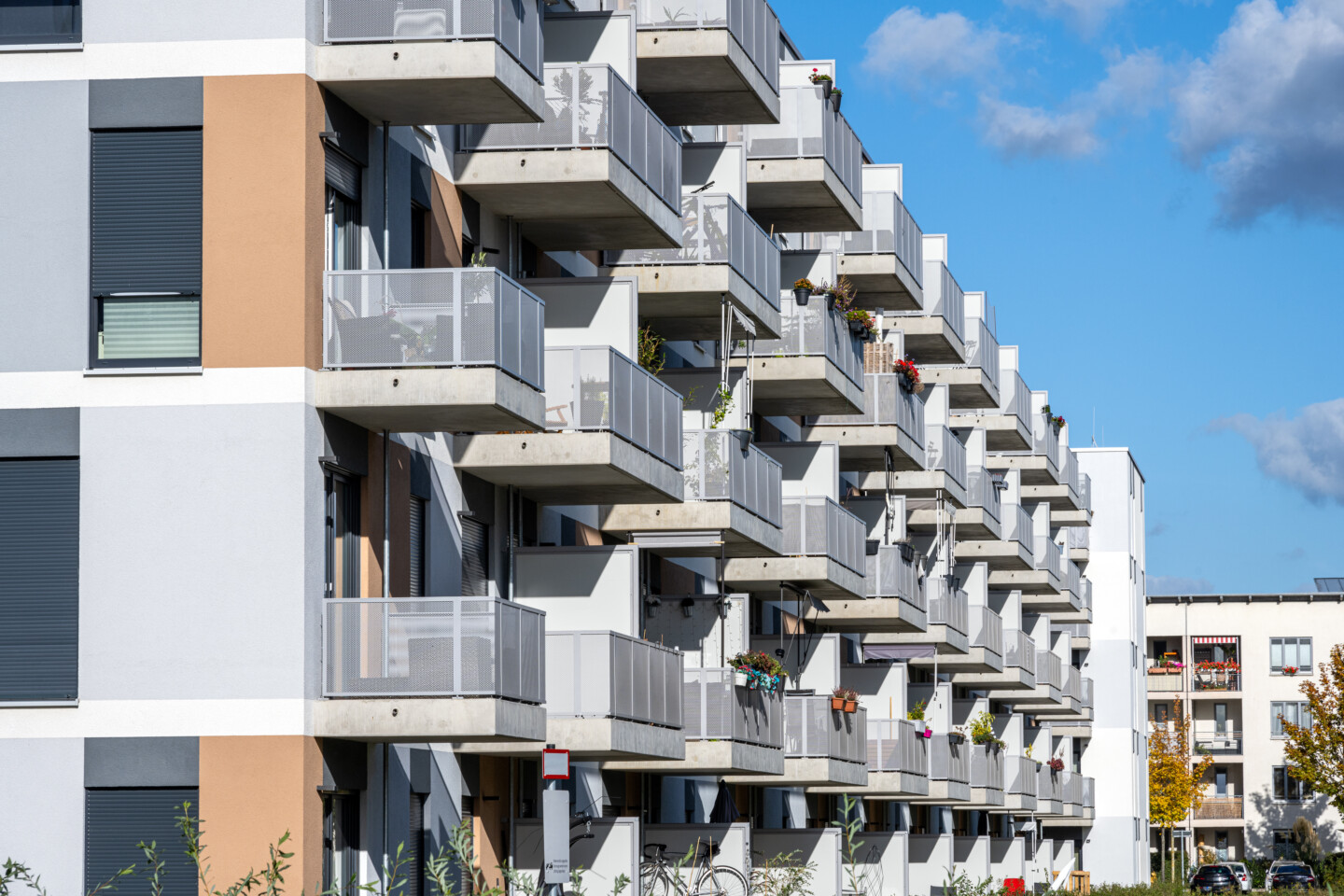
The Paradox of Modern Construction: Why New Buildings Kill Wireless Signals
The materials and methods used to construct stronger, safer, and more energy-efficient buildings are often the primary culprits behind poor in-building wireless connectivity. This paradox sets the stage for a frustrating experience for occupants and a significant challenge for property managers.
What is a Faraday Cage? A Simple Explanation
In simple terms, a Faraday cage is an enclosure made of conductive material, like metal, that blocks external electromagnetic fields. A common example is a car during a thunderstorm. If lightning strikes the car, the electrical charge travels around the metal exterior and safely into the ground, protecting the occupants inside. The car’s metal frame acts as a Faraday cage.
This same principle applies to buildings. The radio frequency (RF) waves used for cellular service, Wi-Fi, and public safety communications are forms of electromagnetic energy. When a building is constructed with a large amount of conductive material, such as a steel frame or metal-coated glass, it unintentionally creates an enclosure that blocks these signals from entering. The result is a dead zone for wireless communication inside an otherwise modern structure.
Which Building Materials Block Cell Signals?
Several specific materials used in modern construction contribute to the Faraday cage effect. Structural steel frames and metal studs are highly effective at reflecting and absorbing RF signals. These materials can cause an average signal loss ranging from -32 to -50 decibels (dB), a significant reduction that can turn a strong outdoor signal into a weak and unusable indoor one. For context, a mere -30 dB loss represents a 99.9% reduction in signal power.
Dense, rebar-reinforced concrete is another major offender. It's one of the most difficult materials for RF waves to penetrate. Even a standard eight-inch-thick reinforced concrete wall can cause a signal loss of 31 dB or more. This high level of attenuation means that signals struggle to pass through the exterior walls and have an even harder time reaching the building's core.
Modern energy-efficient materials also play a large role, especially Low-E (low-emissivity) glass. This type of glass is coated with a microscopically thin layer of metal to reflect heat and improve insulation. While excellent for energy savings, that metallic coating also reflects RF signals. Tinted and Low-E glass can reduce cell signal strength by 8 to 10 times more than clear glass, causing -24 to -40 dB of signal loss. As a result, many LEED-certified or "green" buildings inadvertently create the most challenging environments for wireless connectivity.
It’s Not Just Cell Service: The Full Spectrum of Blocked Signals
The Faraday cage effect doesn't just disrupt cellular phone calls and data. It impacts the entire spectrum of wireless signals trying to get into or out of a building. This can lead to weak or unreliable Wi-Fi coverage if the system isn't carefully designed to work within the building's specific structural challenges.
More importantly, it can block the radio signals used by first responders. Public safety and Emergency Responder Radio Communication Systems (ERRCS) are essential for police, fire, and medical personnel to coordinate during an emergency. If these life-saving signals can't penetrate a building, it creates a serious safety hazard and a potential compliance issue for the property owner.
Signs Your Building is Blocking Wireless Signals
Now that we've covered the causes of signal loss, it's important to recognize the symptoms in your own property. These issues often manifest as direct complaints from tenants but also carry deeper business and safety implications. Building owners and managers should be aware of these common signs that their property is acting as a communication black hole.
Common Complaints from Tenants and Employees
The most obvious indicators of poor in-building coverage come directly from the people who live and work there. Complaints often center on frequently dropped calls, poor voice quality that sounds muffled or garbled, and frustratingly slow mobile data speeds. Tenants may also report that text messages with images fail to send or that they have to stand near a window to get any signal at all.
You may notice specific dead zones in certain parts of the building. These often occur in elevators, underground parking garages, basements, and central areas far from exterior walls. Another indirect symptom is rapid battery drain on mobile devices. When a phone constantly struggles to find and maintain a connection to a distant cell tower, it consumes significantly more power, leading to user frustration.
The Business Impact of Poor Connectivity
In today's market, reliable cellular connectivity is no longer an amenity; it's a utility as fundamental as electricity and water. Poor service leads directly to tenant and resident dissatisfaction, which can result in negative online reviews and higher churn rates. For commercial properties, it can hinder a company's productivity and make it difficult to attract and retain high-value corporate tenants.
The absence of reliable service can also negatively affect a property's overall market value and competitive standing. This challenge is becoming more common, as projections show that by 2024, 42% of construction professionals plan to use green building practices for the majority of their projects. These practices often rely on the very materials that block wireless signals.
While features like LEED certification can increase a building's value by as much as 10%, the associated connectivity issues can undermine that benefit. Potential buyers and renters now test for cell signal during tours, and a building known for poor coverage is at a distinct disadvantage.
The Critical Public Safety and Compliance Concern
Beyond tenant satisfaction and property value, the inability of wireless signals to penetrate a building has serious public safety implications. In an emergency, first responders depend on their two-way radios to communicate with each other and with command centers outside. Blocked signals can delay response times, hinder coordination, and put both building occupants and emergency personnel in danger.
Because of this, many jurisdictions have adopted building codes based on standards from the International Fire Code (IFC) and the National Fire Protection Association (NFPA). These codes often mandate a high level of in-building radio coverage for first responders, sometimes requiring 99 percent coverage in critical areas like fire command centers, stairwells, and elevator lobbies. Failure to meet these requirements can prevent a building from receiving its certificate of occupancy and create a significant liability for the owner.
How to Confirm and Measure Signal Loss
While tenant complaints and personal experience can suggest a problem, relying on the signal bars on a cell phone isn't an accurate way to diagnose a building-wide issue. The signal strength display can vary widely between phone models and carriers, providing an incomplete and often misleading picture of the wireless environment.
The definitive way to understand a building's connectivity performance is through a professional RF site survey. During a survey, technicians use specialized spectrum analyzers to measure signal strength, quality, and interference for all major carriers. This process generates detailed data and coverage heat maps, precisely identifying dead zones and providing the foundational information needed to design an effective solution.
From Problem to Proactive Solution: Overcoming the Faraday Cage Effect
While the problem of signal loss is literally built into a building's structure, it is entirely solvable. Modern technology and expert engineering provide clear pathways to restore and guarantee seamless connectivity. Overcoming the Faraday cage effect requires a proactive approach that addresses the unique RF challenges of each property with a tailored solution.
Why Your Tenants' Carrier Can't Fix This
A common misconception is that poor in-building reception is the fault of cellular carriers like Verizon, AT&T, or T-Mobile. Tenants may complain about their specific provider, but the reality is that the issue lies with the building itself. The carriers' networks are typically robust outside the property, but their signals simply cannot overcome the severe penetration loss caused by concrete, steel, and Low-E glass.
This is an infrastructure problem, not a network problem. Even the strongest outdoor signal cannot overcome the physical barrier created by these construction materials. For this reason, the solution must be building-centric. It requires installing dedicated equipment inside the property to capture the outside signal and distribute it effectively throughout the interior space, bypassing the signal-blocking materials.
An Overview of In-Building Wireless Solutions
Several technologies are designed specifically to solve this problem. One of the most common and comprehensive solutions is a Distributed Antenna System (DAS). A DAS uses a network of small, discreet antennas placed throughout a building to distribute wireless signals evenly, eliminating dead zones. The system is connected to a central signal source, ensuring strong and reliable coverage for all cellular carriers and public safety frequencies.
For smaller spaces or more targeted needs, a Bi-Directional Amplifier (BDA) or cell phone signal booster can be an effective option. These systems capture a weak external signal with an outdoor antenna, amplify it, and then rebroadcast it inside via one or more indoor antennas. Many public safety codes mandate that buildings failing coverage tests must be equipped with a DAS or a BDA with FCC-certified signal boosters to achieve compliance. Small Cells, which are essentially low-power cellular base stations, can also be deployed to add network capacity and coverage inside a building.
The Importance of a Turnkey Approach
Implementing an effective in-building wireless system is a complex process that goes far beyond simply buying equipment. It requires a specialized skill set and a methodical approach. The process starts with a professional RF survey to measure existing signal levels and identify problem areas. It then moves to system design and engineering, where a solution is custom-tailored to the building's layout, materials, and specific needs.
After design, the process involves coordinating with wireless carriers, securing approvals, professional installation, and system commissioning to ensure optimal performance. This is why working with a single, expert partner who can manage the entire project from start to finish is so beneficial. A turnkey provider eliminates the complexity for the building owner, ensuring a seamless process and an effective, reliable outcome that meets all technical and regulatory requirements.
Ensure Seamless Connectivity For Your Tenants and Property Today
Modern construction materials often create a Faraday cage effect, blocking wireless signals. This reality negatively impacts tenant satisfaction, reduces property value, and can compromise public safety. Building owners and developers must recognize this as a fundamental infrastructure challenge in today's connected world.
Fortunately, this is a solvable problem. It requires a specialized, building-specific solution designed and implemented by experts who understand the complexities of radio frequency engineering. By investing in the right in-building wireless system, you can turn a communication black hole into a seamlessly connected environment.
If you're ready to stop letting your building's structure dictate its connectivity, our team at Resolution Wireless is here to help. Our experienced professionals provide a complete turnkey approach, from initial site surveys to final system commissioning. Contact us today to speak with an expert and learn more about our in-building wireless solutions.